Hojicha powder is having a moment on café menus, and the labelling has not kept up. Tins are sold as “roasted matcha,” as “hojicha matcha,” and as plain “roasted green tea powder” — three names for a product that is none of those things exactly.
Here is what you are actually buying, how to judge it, and what to do with it.
What Is Hojicha Powder?
Hojicha powder is roasted Japanese green tea, stone-ground into a fine powder after roasting.
The order of operations is the whole story:
- Matcha: shade-grown tencha leaf → steamed → dried → ground. Never roasted, stays green.
- Hojicha powder: sun-grown bancha, sencha or kukicha → roasted at ~200°C → ground. Turns reddish-brown.
Because the roast happens first, everything downstream changes: chlorophyll breaks down (green becomes amber), catechins degrade (astringency vanishes), caffeine sublimates off (see hojicha caffeine), and pyrazines form — the compounds behind that roasted-nut, caramel, faintly coffee-like aroma.
The grinding step is what separates powder from ordinary loose-leaf hojicha. With loose leaf you steep and discard. With powder you drink the leaf itself, which means more body, more colour, and roughly double the caffeine.
Hojicha Powder vs Matcha
| Hojicha powder | Matcha | |
|---|---|---|
| Raw material | Mature leaves, stems, twigs (sun-grown) | Young shaded tencha leaves |
| Processing | Roasted, then ground | Steamed, dried, then ground |
| Colour | Amber to chocolate-brown | Vivid emerald green |
| Flavour | Toasty, caramel, nutty, zero bitterness | Umami, creamy, grassy, slight bitterness |
| Caffeine (2 g) | 15–25 mg | 35–70 mg |
| EGCG | Reduced by roasting | Very high |
| Typical price | $0.15–0.60 / g | $0.50–3.00 / g |
| Best for | Evening drinks, baking, beginners | Morning focus, ceremony |
The price gap is the honest headline. Matcha is expensive because of shading labour, hand-picking, and a stone mill that produces 30–40 g an hour. Hojicha uses the cheap end of the harvest and a roaster. Excellent hojicha rarely costs much — which makes it one of the best value products on the Japanese tea shelf.
The Three Grades (and What Sellers Actually Label)
There is no regulated grading system for hojicha the way there is a loose convention for matcha grades. In practice the market sorts into three tiers:
1. Ceremonial-style / premium (for whisking) Made from better base leaf, often kuki-hojicha (stem-heavy), with a lighter, carefully controlled roast. Light amber colour, pronounced sweetness, minimal smoke. This is what you want if you plan to drink it whisked with water. Often labelled gokujo (極上) or tokujo (特上).
2. Latte / café grade The workhorse. Slightly darker roast so the flavour survives 150 ml of milk. This is what almost every café uses and what most people should buy. Best price-to-quality ratio in the category.
3. Culinary grade Darkest roast, coarsest grind, strongest smoky character — designed to punch through sugar, butter and cream in baking. Harsh on its own; perfect in ice cream.
Most sellers only distinguish between “premium” and “culinary,” so use colour and stated roast level as your real guide.
How to Judge Quality Before You Buy
- Colour. Light amber to reddish-brown means a gentle roast — sweeter, more aromatic. Deep chocolate-brown or near-black means a heavy roast — smokier, more bitter, better for baking. Neither is wrong; they are different products.
- Aroma. Good hojicha powder smells like roasted chestnuts and caramel the moment you open the tin. If you have to put your nose in it, it is stale.
- Grind. Rub a pinch between your fingers. It should feel like flour, not sand. Coarse grind means gritty lattes and sediment at the bottom of the cup.
- A date on the tin. Roasted tea aroma decays fast. A producer confident enough to print a roast or best-before date is a producer whose stock moves.
- A named region. Kyoto and Uji producers dominate quality hojicha. “Product of Japan” with no further detail is usually repackaged bulk.
What a Fair Price Looks Like
Roughly, per gram:
- $0.10–0.15 / g — bulk culinary powder. Fine for baking, thin as a drink.
- $0.15–0.30 / g — café/latte grade. The sweet spot for most buyers.
- $0.30–0.60 / g — premium whisking grade from a named Japanese producer.
- Above $0.80 / g — you are almost certainly paying for packaging or for a Western brand’s margin, not for better tea.
Compare that with ceremonial matcha at $1.00–3.00 per gram and the value proposition is obvious. Hojicha is the one Japanese tea where spending more stops paying off quickly.
5 Ways to Use Hojicha Powder
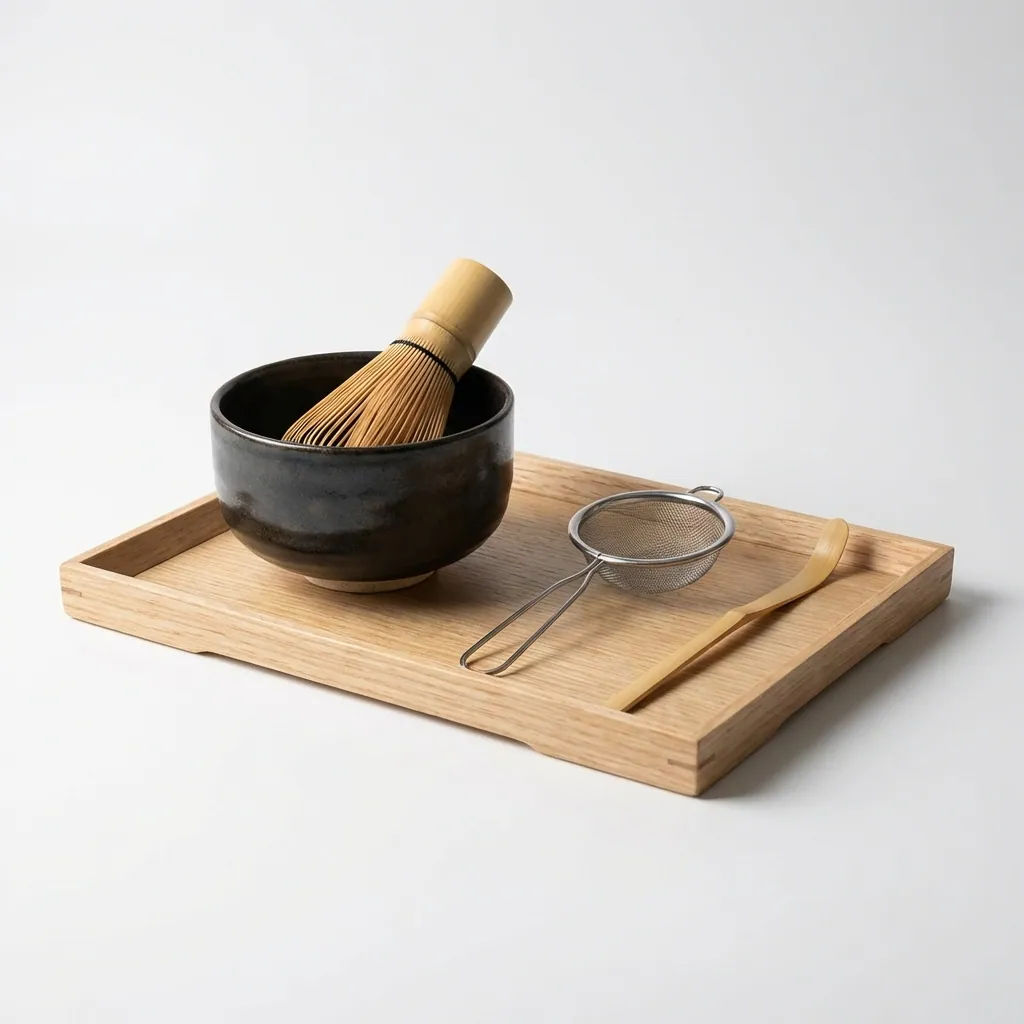
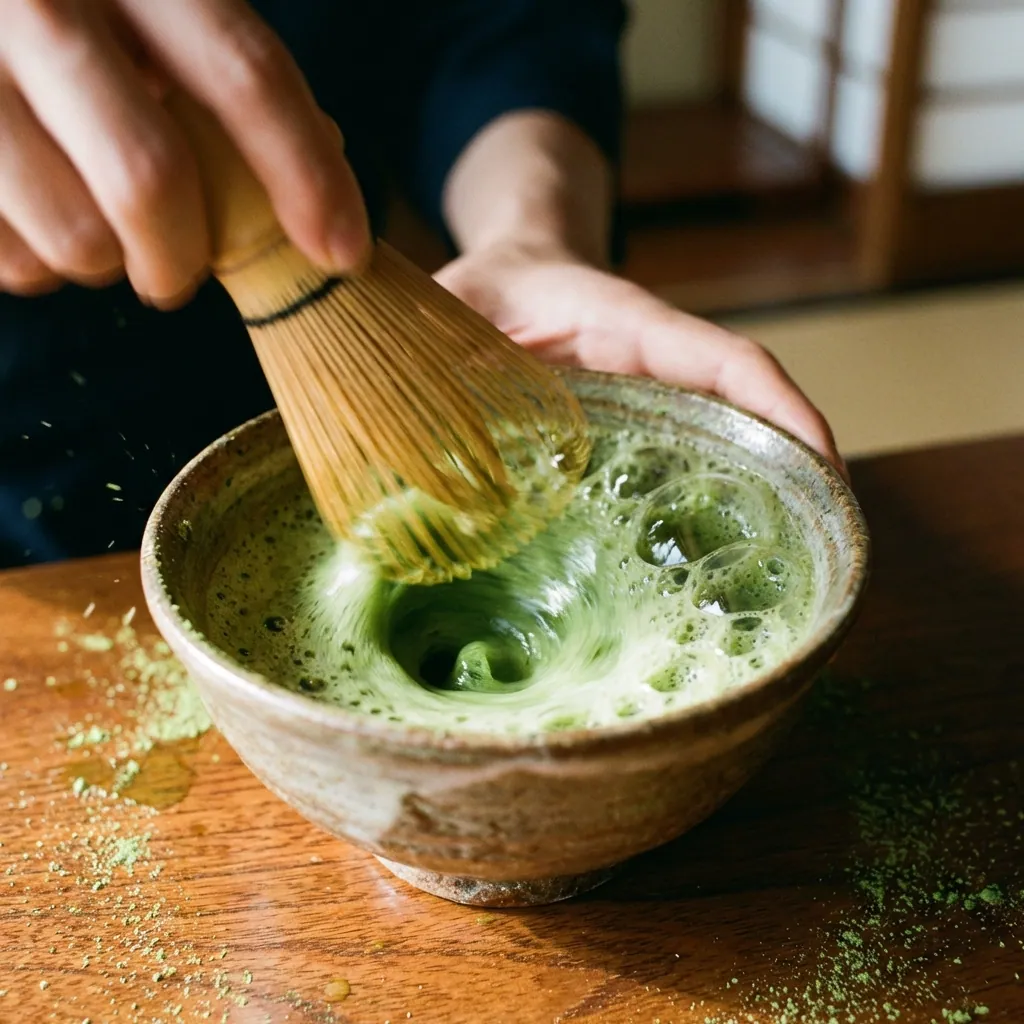
1. Whisked, like usucha. Sift 2 g, add 60 ml of 85–90°C water, whisk in an M-shape until frothy. Hojicha tolerates hotter water than matcha because the harsh compounds were already roasted out.
2. Hojicha latte. The most popular use by a wide margin — 2 g powder, 60 ml hot water, 150 ml milk. Full method and the iced version in our hojicha latte recipe.
3. Baking. Substitute gram for gram wherever a recipe calls for matcha, then cut the sugar by about 10%. It shines in cheesecake, shortbread, panna cotta and banana bread — anything already leaning caramel.
4. Ice cream and soft serve. Hojicha soft serve is a Kyoto staple. Culinary grade is the right choice here; you need the roast to survive dairy fat and sugar.
5. Cold brew concentrate. Whisk 4 g into 100 ml of hot water, cool, and keep it in the fridge for up to two days. Pour over ice and milk on demand — the fastest iced latte you can make on a weekday morning.
Storage: Shorter Shelf Life Than Matcha’s Reputation Suggests
The aromatic compounds that make hojicha worth drinking are volatile — they leave. Expect:
- Unopened, cool and sealed: about 12 months.
- Opened: 3–4 months of genuinely good aroma.
Keep it airtight, away from light, and away from heat. Do not store it next to the stove, and do not decant it into a clear glass jar on an open shelf however good it looks. Unlike matcha, hojicha does not benefit from the fridge — the roasted aroma picks up refrigerator odours readily, and condensation on opening is a real risk. A sealed tin in a cool cupboard is correct.
Should You Buy Powder or Loose Leaf?
Buy loose leaf if you mostly want a pot of hot tea after dinner. It is cheaper per cup, lighter, cleaner-tasting, and lower in caffeine because you discard the leaf.
Buy powder if you want lattes, iced drinks, or to bake with it. Powder gives the body and colour that milk-based drinks need, and it is the only form that works in a batter.
Many people end up with both. They cost little enough that it is not much of a decision.
Where Hojicha Powder Fits
If you already drink matcha, hojicha powder is not a replacement — it is the other half of the day. Matcha in the morning for focus and antioxidants, hojicha in the evening when you want the ritual without the caffeine.
If you don’t drink matcha because you find it bitter or grassy, start here instead. Hojicha has no bitterness to get past, needs no particular skill to prepare, and costs a fraction as much to experiment with. It is the least intimidating entry point into Japanese tea there is.